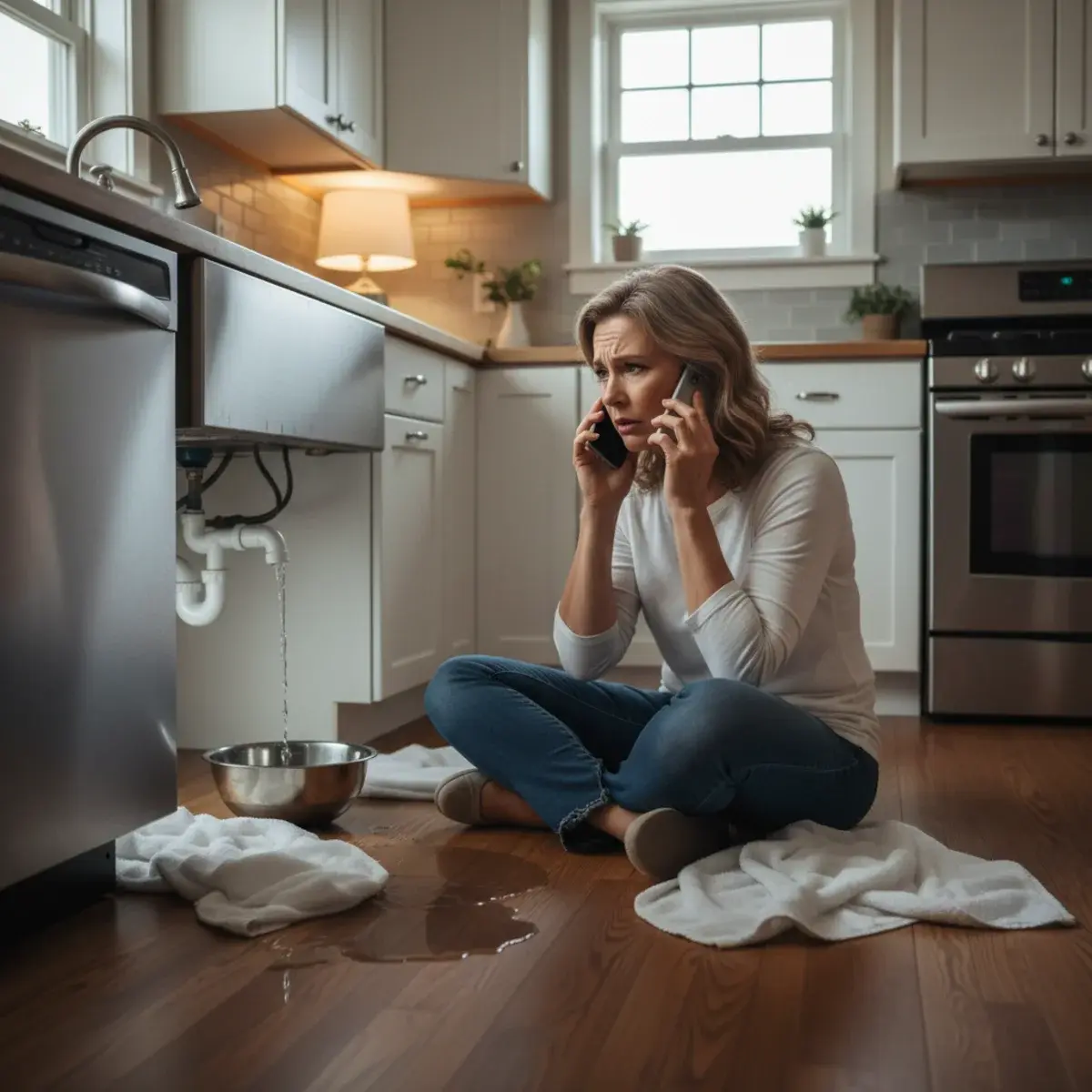
Burst pipes, sewage backups, no water, and gas odors are true emergencies that warrant an immediate call. A slow drain or a dripping faucet usually can wait. Here is how to tell the difference and act fast.
A plumbing emergency is any situation where waiting will cause real damage to your home, threaten your health, or leave you without water you cannot do without. Burst pipes, sewage backing up into living space, a total loss of water, and the smell of gas all clear that bar — call immediately. A dripping faucet, a single slow drain, or a running toilet, by contrast, are annoying but rarely urgent. Knowing which bucket your problem falls into saves you both money and stress.
True emergencies: call right now
A burst or actively leaking pipe. Water under pressure can ruin drywall, flooring, and belongings in minutes and feed mold for weeks afterward. The first move is always to shut off the water — at the fixture if it is isolated, or at the main shutoff if it is not — and then call a plumber.
Sewage backing up into the home. A main line backup that pushes wastewater up through floor drains, tubs, or toilets is both a property-damage problem and a health hazard. Stop using all water in the house to avoid adding to the backup, and get a plumber out quickly.
No water at all. A complete loss of water across the whole house can signal a main line break, a serious supply problem, or a failed valve. Beyond the inconvenience, you lose the ability to flush toilets and respond to other problems, so it warrants prompt attention.
A gas odor or suspected gas leak. This is the one case where you should not call a plumber first. If you smell gas — often described as rotten eggs — leave the building immediately, avoid switches and flames, and call your gas utility's emergency line or 911 from a safe distance. Only after the area is made safe should plumbing repairs proceed. We cover the warning signs in detail in our gas line safety guide.
A water heater that is flooding. A tank that has ruptured or is leaking heavily can dump dozens of gallons. Shut off the cold water supply to the heater and, on a gas model, turn the gas control to off; on an electric model, switch off its breaker. Then call for service.
Problems that usually can wait until morning
Plenty of issues feel alarming but are stable enough to schedule during normal hours, often at a lower rate:
- A single slow or clogged drain, as long as water is not backing up elsewhere
- A dripping faucet or a fixture that will not fully shut off
- A toilet that runs intermittently
- Low water pressure at one fixture
- A small, contained drip you can catch in a bucket and that is not spreading
The key question is whether the problem is contained and stable. A drip into a bucket is stable. A puddle that keeps growing is not.
What to do while you wait for the plumber
A few steps limit the damage and make the repair faster:
- Know your shutoffs. Locate your main water shutoff before you ever need it — typically where the supply line enters the home or near the street meter. Most fixtures also have local shutoff valves you can close to isolate a problem.
- Cut the water to the problem. Shutting off the nearest valve often stops the emergency on its own and buys time.
- Kill power near standing water. If water is near outlets, panels, or appliances, switch off the relevant breakers if you can do so safely.
- Clear the area. Move belongings and soak up what you can to reduce damage and mold risk.
- Document it. Photos help with insurance claims later.
Expect after-hours pricing — and ask about it
Emergency and after-hours service typically costs more than a scheduled daytime visit, and that is reasonable given the urgency and timing. The smart move is to ask about the after-hours rate and any trip or diagnostic fee when you call, so the price is clear before anyone is dispatched. A trustworthy plumber will tell you upfront rather than springing it on you afterward.
When in doubt, make the call
If you are genuinely unsure whether your situation is an emergency, it is reasonable to call a 24/7 plumber and describe what is happening. A good dispatcher can often help you judge urgency over the phone and walk you through shutting off the water in the meantime. The cost of an unnecessary call is small compared to the cost of water damage from a real emergency you waited on. Trust your read of the situation: if water is spreading, sewage is backing up, you have no water, or you smell gas, do not wait.
Frequently Asked Questions
A small drip from a water heater can often wait a day, but active flooding, a rapidly expanding puddle, or signs of a failing tank should be treated urgently. Shut off the water supply to the heater and, for gas units, turn the gas control to the off position, then call a plumber.
Anything causing active flooding, sewage backing up into the home, a complete loss of water, or a suspected gas leak qualifies as an emergency. These situations can cause property damage or health hazards quickly and warrant an immediate call to a 24/7 plumber — and, for gas, to emergency services first.
Yes. Many plumbers apply an after-hours, weekend, or holiday rate for emergency calls outside normal business hours. Ask about the rate when you call so there are no surprises, and confirm the diagnostic or trip fee before the plumber is dispatched.
Need a plumber in San Bernardino?
Call now or request service online and we'll connect you with local plumbing help.