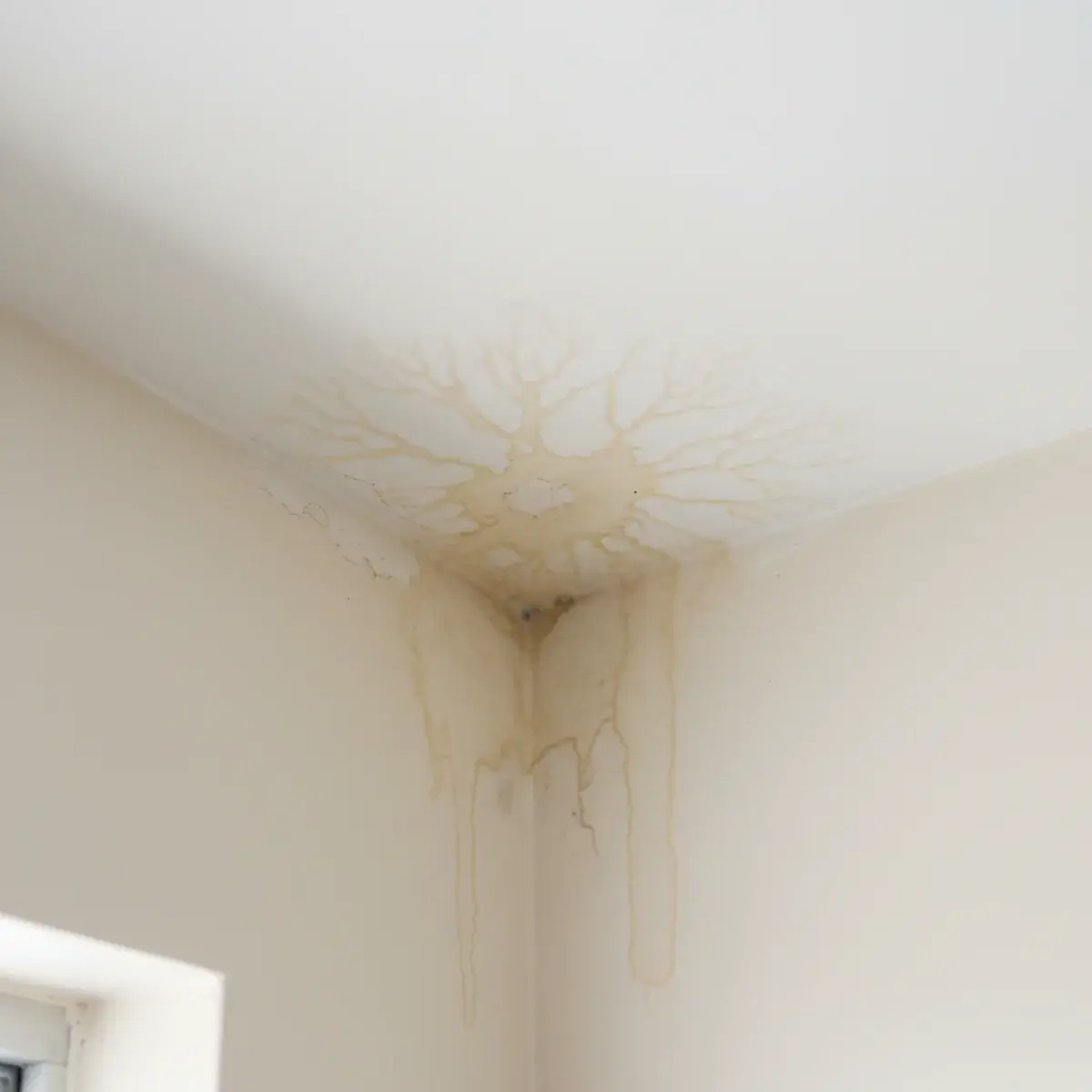
Hidden leaks rarely announce themselves. They show up as a creeping water bill, a musty smell, a warm spot on the floor, or the faint sound of running water when everything is off. Catching them early saves thousands.
A hidden water leak is one that runs behind a wall, under a slab, beneath the yard, or inside a ceiling where you cannot see it directly. Because nothing is obviously dripping, these leaks often run for weeks or months — quietly inflating your water bill, feeding mold, and undermining your foundation. The good news is that hidden leaks almost always leave clues. Here are ten signs worth watching for, and what to do when you notice them.
1. Your water bill is creeping up
A steadily rising or suddenly spiking water bill, with no change in how much water your household uses, is the classic signal. Water escaping from a leak runs continuously, so it shows up as extra consumption month after month. If your usage jumps and you cannot explain it, suspect a leak first.
2. The water meter moves when nothing is on
This is the most decisive at-home test. Turn off every faucet, appliance, and fixture in the house. Find your water meter and note the reading or the position of the leak indicator (a small dial or triangle on many meters). Wait one to two hours without using any water, then check again. Any movement means water is leaving your system somewhere.
3. A musty or earthy smell that will not go away
Persistent moisture from a hidden leak feeds mold and mildew, which produce a damp, musty odor. If a room, closet, or cabinet smells earthy no matter how much you clean, moisture is collecting somewhere behind the surfaces.
4. Stains or discoloration on walls and ceilings
Yellowish, brown, or darkened patches on drywall or ceilings usually trace back to water moving through the material. A stain that grows over time, or one that reappears after painting over it, points to an active source rather than an old, dried problem.
5. Paint or wallpaper that bubbles or peels
When moisture saturates drywall from behind, it lifts paint and loosens wallpaper. Bubbling, peeling, or a spongy feel when you press on the wall all suggest water intrusion.
6. A warm spot on the floor
This one is specific to slab leaks involving a hot water line. A patch of flooring that feels noticeably warmer than the area around it can mean hot water is escaping into the slab beneath it. Unexplained warm spots deserve prompt attention because slab leaks worsen over time.
7. The sound of running water when everything is off
In a quiet house with all water off, a faint hiss, trickle, or running sound inside a wall or floor is a strong indicator of a leak under pressure. Put your ear to walls near plumbing if you suspect this.
8. Cracks in walls, floors, or the foundation
A long-running slab or underground leak can erode and shift the soil supporting your foundation, leading to new cracks in drywall, tile that lifts or cracks, or doors that suddenly stick. In San Bernardino's older neighborhoods especially, foundation movement paired with plumbing-age homes is worth investigating.
9. Mold appearing in unexpected places
Mold growing in a corner, along a baseboard, or in a cabinet that should be dry indicates a steady moisture source nearby. Recurring mold after cleaning means the underlying water problem has not been fixed.
10. Reduced water pressure
When water is escaping through a leak, less of it reaches your fixtures. A gradual, unexplained drop in pressure throughout the home can be one symptom of water diverting through a leak before it gets to your taps.
Why hidden leaks matter so much here
San Bernardino's hard water accelerates corrosion inside pipes, and many homes in the area have aging galvanized or early copper plumbing that becomes more leak-prone with time. Combine that with slab foundations common in the region, and a small pinhole leak can develop into a slab leak that damages flooring and foundation if ignored. Catching leaks early is far cheaper than repairing the cascade of damage they cause.
What to do when you spot the signs
- Run the meter test described above to confirm water is escaping somewhere.
- Check the obvious culprits first — running toilets, dripping faucets, and connections under sinks and behind the washing machine.
- Note where the symptoms cluster. Stains, smells, and warm spots help narrow down the location.
- Call for professional leak detection if the source is not visible. Plumbers use acoustic listening equipment, moisture meters, and pressure testing to pinpoint a leak inside a wall or under a slab without tearing the house apart.
The instinct to wait and see is understandable, but hidden leaks do not resolve on their own — they get worse and more expensive. If your meter is moving with the water off, or you have a growing stain or a warm spot on the floor, that is your cue to act. Pinpointing and repairing a leak early protects your home, your foundation, and your monthly bill.
Frequently Asked Questions
Run a simple meter test: turn off every water-using fixture and appliance, note your water meter reading, wait one to two hours without using any water, and check the meter again. If the numbers moved, water is escaping somewhere in your system.
Yes. Even a small continuous leak wastes water around the clock, and a leak inside a wall or under a slab can add up to a noticeably higher bill month after month. A sudden, unexplained jump in usage is one of the most reliable early signs of a hidden leak.
It depends on your policy and the cause. Many policies cover sudden, accidental water damage but exclude damage from long-term, gradual leaks that went unaddressed. Documenting the problem and acting quickly improves your position; check your specific policy for details.
Need a plumber in San Bernardino?
Call now or request service online and we'll connect you with local plumbing help.